

Introduction:
Integrating the Quality Management System (ISO 9001) Standard in an organization allows for both maximum productivity and efficiency. Maintaining the quality of products and service delivery is essential to providing customer satisfaction, and guaranteeing the longevity of the business. The ability to audit an organization against the ISO 9001 Standards is one of the benefits of the ISO 9001:2026 Lead Auditor Training Course. The ISO 9001 Lead Auditor is responsible for ensuring that an organization meets the standard requirements of the Quality Management System. In our previous article, we discussed how to become ISO 9001 Lead Auditor. In this article, we will be discussing the learning objectives and benefits of the ISO 9001 Lead Auditor Training Course.Quick Answer
ISO 9001 Lead Auditor Training equips professionals with the knowledge and practical auditing skills needed to plan, conduct, report, and follow up Quality Management System (QMS) audits. The training helps participants understand ISO 9001 requirements, evaluate process effectiveness, collect objective evidence, identify nonconformities, and support continual improvement within an organization’s Quality Management System.Learning Objectives of ISO 9001 Lead Auditor Training Course:
At the end of the ISO 9001 Lead Auditor Training Course, you will be able to:-
- Describe the role and responsibilities of the quality management system auditor.
- Follow the processes involved in planning, conducting, and scheduling the Quality Management System audits.
- Use the latest auditing techniques appropriately.
- Lead an audit team to conduct 1st, 2nd, and 3rd-party audits of the quality management system.
- Evaluate the evidence of conformity, identify all nonconformities, and take necessary corrective actions in the process.
- Conduct virtual and on-site audits of the ISO 9001 and close an audit meeting.
- Prepare audit conclusions and recommendations, and present an adequate audit report.
- Recognize the Purpose, concepts, and guidelines of the Quality Management System.
- Implement the principles of the Quality Management System, and follow its requirements.
Benefits of the ISO 9001 Lead Auditor Training Course:
Below listed are the benefits of the ISO 9001 Lead Auditor Training course. 1. Improved ability in performing 1st, 2nd, and 3rd-party audits of the quality management system. 2. Completing the training will enable you to apply for CQI IRCA Auditor grade membership. 3. Ability to implement risk management policies and procedures, and improve global quality standards. 4. Completing the ISO 9001:2026 Lead Auditor training will make you a value-adding employee to the organization. 5. Becoming a certified Lead Auditor will qualify you to work as a freelancer to deliver the ISO 9001 Internal and Lead Auditor training. 6. Improved knowledge of QMS, and vast understanding of the interpretation of QMS Standard. 7. You will be able to develop and maintain service efficiency, assured standard, and establish customer confidence 8. Improved communication and how to apply the skills during audits. 9. At the end of the ISO 9001 Lead Auditor training, you will receive a globally recognized IRCA lead auditor certificate. 10. Approved by CQI IRCA and recognized worldwide, the ISO 9001 Lead Auditor Training Course will provide you with better career opportunities.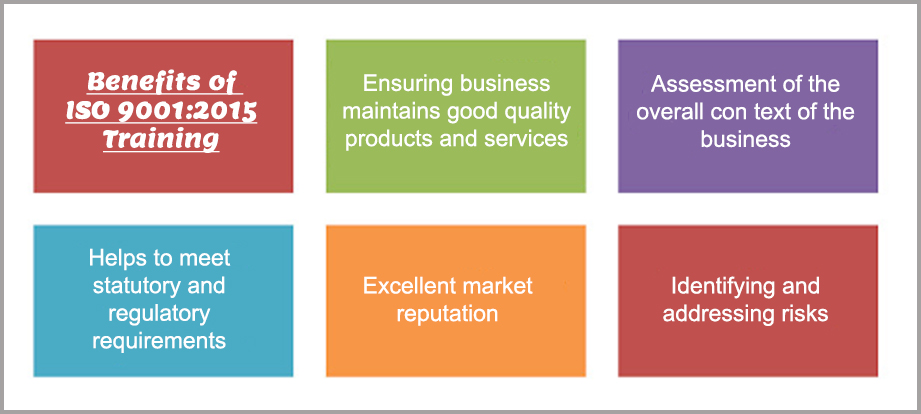 Figure 1: Benefits of ISO 9001:2026 Lead Auditor Training
Why Organizations Value ISO 9001 Lead Auditors
An effective Quality Management System (QMS) helps organizations consistently deliver products and services that meet customer and regulatory requirements. However, maintaining a documented system alone is not enough. Organizations need competent Lead Auditors who can evaluate whether processes are implemented effectively, risks are controlled, and quality objectives are consistently achieved.- They evaluate process effectiveness: Lead Auditors assess whether business processes achieve intended results and support organizational objectives.
- They strengthen customer focus: Auditors verify that customer requirements are understood, monitored, and addressed throughout the organization.
- They verify compliance with ISO 9001 requirements: Auditors determine whether the Quality Management System conforms to ISO 9001 requirements and the organization’s own documented processes.
- They provide objective information to management: Audit findings help leadership identify process weaknesses, prioritize corrective actions, and improve decision-making.
- They support continual improvement: Effective audits identify opportunities to improve efficiency, reduce process variation, minimize risks, and enhance customer satisfaction.
How the Training Prepares You for Real Audits
ISO 9001 Lead Auditor Training goes beyond understanding the standard. It prepares participants to conduct complete Quality Management System audits using a structured and evidence-based approach.- Plan the audit: Define audit objectives, scope, criteria, schedule, and audit responsibilities.
- Review documented information: Evaluate quality policies, procedures, process maps, quality objectives, risk registers, and previous audit reports.
- Conduct interviews and process audits: Interview employees, observe activities, and assess how processes operate in practice.
- Collect objective evidence: Gather evidence through documents, records, observations, interviews, and sampling techniques.
- Evaluate conformity: Compare evidence against ISO 9001 requirements, customer requirements, and organizational procedures.
- Report audit findings: Prepare clear audit reports, observations, opportunities for improvement, and nonconformities supported by objective evidence.
- Verify corrective actions: Confirm that corrective actions effectively address root causes and improve process performance.
Top Benefits of ISO 9001 Lead Auditor Training
1. Develop Professional QMS Auditing Skills
Participants learn how to plan, conduct, report, and follow up Quality Management System audits using internationally recognized auditing principles and objective evidence.2. Improve Process-Based Auditing Skills
The training helps auditors evaluate process interactions, identify inefficiencies, and determine whether business processes consistently achieve intended results.3. Strengthen Your Understanding of ISO 9001 Requirements
Participants gain a practical understanding of quality planning, leadership, risk-based thinking, operational controls, performance evaluation, and continual improvement.4. Build Confidence in Leading Audits
Practical audit exercises help participants confidently conduct interviews, manage audit teams, communicate findings, and lead complete QMS audits.5. Improve the Quality of Audit Findings
Participants learn how to write evidence-based findings that clearly identify nonconformities, observations, and opportunities for improvement.6. Support Continual Improvement
Lead Auditors help organizations identify process weaknesses, improve efficiency, reduce recurring issues, and strengthen overall Quality Management System performance.7. Expand Career Opportunities
ISO 9001 Lead Auditor Training strengthens professional competence for roles involving quality management, supplier auditing, consulting, compliance, and integrated management systems.8. Gain Skills Applicable Across Multiple Industries
Quality Management Systems are implemented in manufacturing, automotive, healthcare, aerospace, construction, food, pharmaceuticals, logistics, IT, education, and service industries, making Lead Auditor skills highly transferable.Challenges Professionals Face Without Lead Auditor Training
Experience in quality management is valuable, but without formal Lead Auditor Training, professionals may face challenges in conducting effective Quality Management System audits.- Relying too heavily on audit checklists instead of evaluating process effectiveness.
- Reviewing documents without verifying actual process implementation.
- Missing process interactions and risk-based thinking during audits.
- Writing audit findings without sufficient objective evidence.
- Confusing observations with nonconformities.
- Focusing on documentation instead of process performance.
- Verifying corrective actions without confirming their effectiveness.
Real Business Impact of Lead Auditor Training
Organizations experience the greatest benefits of ISO 9001 Lead Auditor Training when improved auditing competence leads to stronger process performance and continual improvement.- Improved process effectiveness: Audits identify inefficiencies and opportunities to optimize business processes.
- Better customer satisfaction: Effective audits help organizations consistently meet customer expectations.
- Reduced nonconformities: Early identification of issues prevents recurring quality problems.
- Improved operational efficiency: Organizations reduce waste, duplication, and process variation.
- Better supplier performance: Audits strengthen supplier evaluation and supplier quality management.
- Stronger corrective action processes: Effective follow-up reduces recurring issues and supports continual improvement.
Practical Example
During an internal audit, a trained Lead Auditor may observe that inspection records are complete and documented correctly. Rather than relying only on documentation, the auditor also interviews employees, observes production activities, and evaluates whether the inspection process consistently prevents defective products from reaching customers. This broader evaluation may identify inconsistent process controls, gaps in operator training, or ineffective corrective actions that would otherwise remain unnoticed. Addressing these issues helps improve product quality, customer satisfaction, and overall Quality Management System performance.Is ISO 9001 Lead Auditor Training Worth It?
ISO 9001 Lead Auditor Training is valuable for professionals responsible for quality management, process improvement, supplier quality, compliance, internal auditing, and organizational performance. Beyond certification, the training develops practical auditing skills that enable professionals to evaluate Quality Management Systems objectively, communicate audit findings effectively, and support continual improvement across the organization. The training may be suitable for you if you want to:- Move into quality auditing or lead audit teams.
- Conduct ISO 9001 internal or supplier audits.
- Improve process evaluation and auditing skills.
- Strengthen your understanding of Quality Management Systems.
- Expand into integrated management system auditing.
- Build professional credibility in quality management and auditing.
Frequently Asked Questions
1. I’m new to ISO 9001. Can I still attend Lead Auditor Training?
Yes. Many participants are new to auditing. While having a basic understanding of Quality Management Systems is helpful, the training is designed to explain ISO 9001 requirements, auditing principles, and practical audit techniques in a structured manner.
2. Will this course help me get a better job or promotion?
ISO 9001 Lead Auditor Training can strengthen your professional profile, especially if you’re working in quality, manufacturing, supplier quality, compliance, or process improvement. Many organizations value professionals who can conduct effective Quality Management System audits.
3. I already work as a Quality Engineer. Is this training useful for me?
Yes. If you’re involved in quality assurance, quality control, inspections, supplier quality, or process improvement, the training helps you develop professional auditing skills that complement your existing responsibilities.
4. I don’t want to become a Lead Auditor. Is this course still worth taking?
Absolutely. Many professionals attend the training to improve their understanding of ISO 9001, strengthen internal auditing skills, support process improvement initiatives, and contribute more effectively to their organization’s Quality Management System.
5. Will I learn how to conduct real ISO 9001 audits?
Yes. The training covers the complete audit process, including planning audits, reviewing documented information, interviewing employees, collecting objective evidence, identifying nonconformities, preparing audit reports, and following up on corrective actions.
6. Is ISO 9001 Lead Auditor Training difficult?
The course is comprehensive, but it is designed to build your knowledge step by step. Active participation, practical exercises, and understanding the ISO 9001 standard will help you successfully complete the training.
7. Which industries recognize ISO 9001 Lead Auditor Training?
ISO 9001 is used across manufacturing, automotive, aerospace, healthcare, construction, pharmaceuticals, food processing, logistics, engineering, education, IT, and many other industries.
8. Will I receive a certificate after completing the training?
Participants who successfully complete the training requirements and pass the required assessments receive the applicable course certificate according to the training provider’s certification process.
9. Can this training help me conduct supplier audits?
Yes. The auditing techniques learned during the course can be applied to supplier audits, internal audits, and other Quality Management System audits.
10. How do I know if this training is the right choice for me?
If you’re responsible for quality management, internal audits, supplier quality, compliance, process improvement, or you’re planning to build a career in quality auditing, ISO 9001 Lead Auditor Training can be a valuable investment.
11. How long does it take to become an ISO 9001 Lead Auditor?
The time required depends on your chosen training schedule and your experience. Most CQI IRCA-approved ISO 9001 Lead Auditor Training programs are completed over several days of instructor-led learning, followed by assessments. Becoming a professionally registered auditor may require additional work experience and audit experience, depending on the registration body’s requirements.
12. What is the difference between ISO 9001 Internal Auditor Training and Lead Auditor Training?
Internal Auditor Training focuses on conducting first-party audits within your own organization. Lead Auditor Training provides a broader understanding of audit planning, team leadership, audit reporting, and conducting first-, second-, and third-party audits.