
Quick Answer
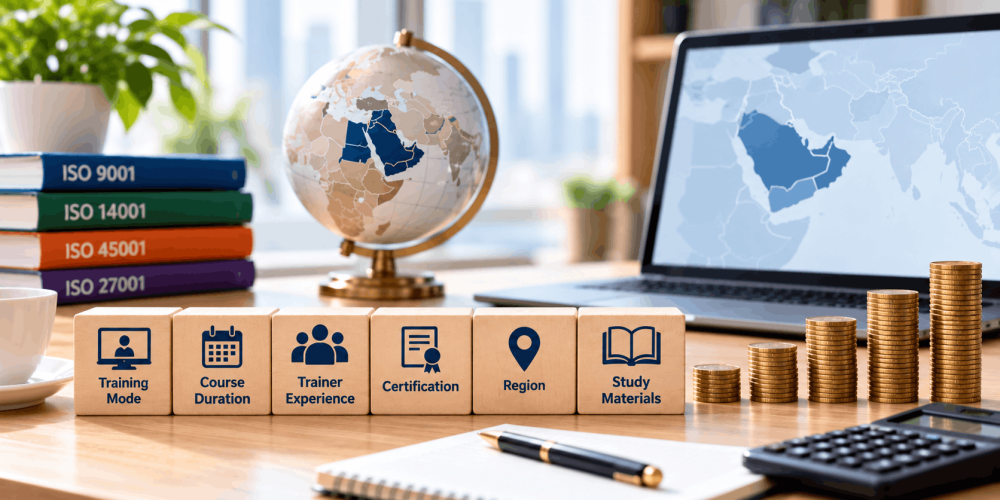
An IMS Auditor Training Course helps professionals understand how multiple management systems can be audited in an integrated way. An Integrated Management System (IMS) may combine two or more management system standards, such as ISO 9001 for quality, ISO 14001 for environmental management and ISO 45001 for occupational health and safety.
An organization may integrate these systems, while an individual develops auditing competence through training relevant to the individual standards included in the IMS.
What Is an Integrated Management System (IMS)?
An Integrated Management System (IMS) brings two or more management systems together within one coordinated framework.
A common combination includes:
- ISO 9001 — Quality Management System (QMS)
- ISO 14001 — Environmental Management System (EMS)
- ISO 45001 — Occupational Health and Safety Management System (OHSMS)
However, an IMS does not necessarily have to contain all three standards. An organization may integrate two standards or several management systems depending on its operations, objectives and certification requirements.
For example, a construction organization may integrate its quality and occupational health and safety management systems, while another organization may combine quality, environmental and OH&S management.
This distinction is important when considering IMS auditor training because the auditor needs appropriate knowledge of the management systems being audited.
IMS Internal Auditor vs Lead Auditor Training
It is important to distinguish IMS Internal Auditor training from individual Lead Auditor courses.
IMS Internal Auditor training can be useful for employees who need to audit an organization’s integrated management system internally. It can help participants understand how several management systems can be considered during one coordinated internal audit.
Lead Auditor development has a different purpose.
Someone who wants formal Lead Auditor training should consider the individual management system in which they need auditing competence.
For example, a professional focusing on quality management can undertake an ISO 9001 QMS Lead Auditor Course, while someone responsible for occupational health and safety auditing may need relevant ISO 45001 Lead Auditor training.
Professionals working across several management systems may therefore complete training for more than one standard.
How Do You Become an IMS Auditor?
There is no single career route that applies to every IMS auditor.
The appropriate pathway depends on which management systems you intend to audit, your professional experience and the type of audits you expect to conduct.
A practical approach is:
- Identify the management systems relevant to your work. Determine whether your role involves quality, environmental management, occupational health and safety, or a combination of these areas.
- Develop knowledge of the relevant ISO standards. An integrated auditor still needs to understand the requirements applicable to each management system.
- Complete appropriate auditor training. Select Internal Auditor or Lead Auditor training according to your responsibilities and career objective.
- Develop practical auditing skills. Training should be supported by experience in audit planning, interviewing, evidence evaluation, findings and reporting.
- Build competence across additional standards when required. Professionals responsible for auditing several management systems can progressively develop competence in each relevant discipline.
For example, someone whose work covers both quality and occupational health and safety may develop auditing competence in ISO 9001 QMS and ISO 45001 OHSMS rather than assuming that one generic IMS qualification automatically replaces knowledge of both standards.
Can an Individual Become IMS Certified?
This is another area where the terminology should be clear.
An organization’s management system certification and an individual’s auditor training certificate are not the same thing.
Organizations can seek certification of management systems within an integrated framework where applicable. Individuals, on the other hand, undertake training and develop competence to audit the relevant management systems.
Therefore, professionals should not interpret an organizational IMS certification as a personal auditor certification.
Benefits of an Integrated Auditing Approach
When an organization operates several management systems, auditing them in an integrated way can help auditors understand how common organizational processes support different requirements.
For example, instead of examining competence independently several times, an integrated audit can consider how the organization’s competence process supports quality, environmental and OH&S requirements while still evaluating the evidence relevant to each system.
A coordinated approach can also provide a broader view of how risks, objectives, operational controls, performance evaluation and improvement activities interact across the organization.
Integration, however, should not mean overlooking standard-specific requirements. Auditors still need sufficient competence to evaluate each management system included within the audit scope.
Choosing the Right IMS Auditor Training Path
Before selecting training, ask what you actually need to do after completing it.
If your responsibility is to conduct internal audits of an organization’s combined management system, IMS Internal Auditor training may be appropriate.
If your objective is to develop Lead Auditor competence in a particular discipline, consider the relevant Lead Auditor course individually.
For professionals responsible for several disciplines, this could mean progressively completing training in:
- ISO 9001 QMS
- ISO 14001 EMS
- ISO 45001 OHSMS
The right combination depends on your existing experience and career responsibilities rather than simply collecting all three courses.
Conclusion
An Integrated Management System allows an organization to coordinate two or more management systems rather than operating each one entirely in isolation.
For auditors, the important point is that integrated auditing still requires knowledge and competence in the standards included within the audit scope. IMS Internal Auditor training can support professionals responsible for integrated internal audits, while Lead Auditor development should be considered according to the individual management systems relevant to the auditor’s role.
Before choosing an IMS Auditor Training Course, identify which standards you actually need to audit and whether your objective is internal auditing, Lead Auditor development or broader management-system competence.
Frequently Asked Questions
What is an IMS Auditor Training Course?
An IMS Auditor Training Course teaches participants how multiple management systems can be considered during an integrated audit. The standards covered depend on the course and may include ISO 9001, ISO 14001 and ISO 45001.
Does an Integrated Management System always include ISO 9001, ISO 14001 and ISO 45001?
No. An Integrated Management System can combine two or more management systems according to an organization’s needs. ISO 9001, ISO 14001 and ISO 45001 are a common combination, but all three do not necessarily have to be included.
What is the difference between IMS Internal Auditor and Lead Auditor training?
IMS Internal Auditor training focuses on conducting internal audits across integrated management systems. Lead Auditor training develops auditing competence for the relevant individual management system and a different audit context.
Can an individual obtain Integrated Management System certification?
Management system certification applies to organizations. Individuals can complete auditor training and develop competence in the individual management systems they need to audit.
Which ISO standards should an IMS auditor study?
The appropriate standards depend on the auditor’s role and audit scope. Common areas include ISO 9001 for quality, ISO 14001 for environmental management and ISO 45001 for occupational health and safety.
Explore CQI IRCA Certified Lead Auditor Courses
View available courses and upcoming batches, or contact us with your course enquiry.
Explore the management system relevant to your training needs through the CQI IRCA Certified Lead Auditor Courses page. For upcoming batches, visit the Course Calendar. For course enquiries, contact 3FOLD Training through WhatsApp.
Relevant Lead Auditor Courses
OHSMS
ISO 45001 OHSMS Lead Auditor Course
Occupational Health and Safety Management System (OHSMS)
View Course