
Introduction
Occupational health and safety is an important responsibility for every organization. Workplace hazards, unsafe practices and ineffective controls can contribute to injuries, ill health and other serious consequences for workers and organizations.
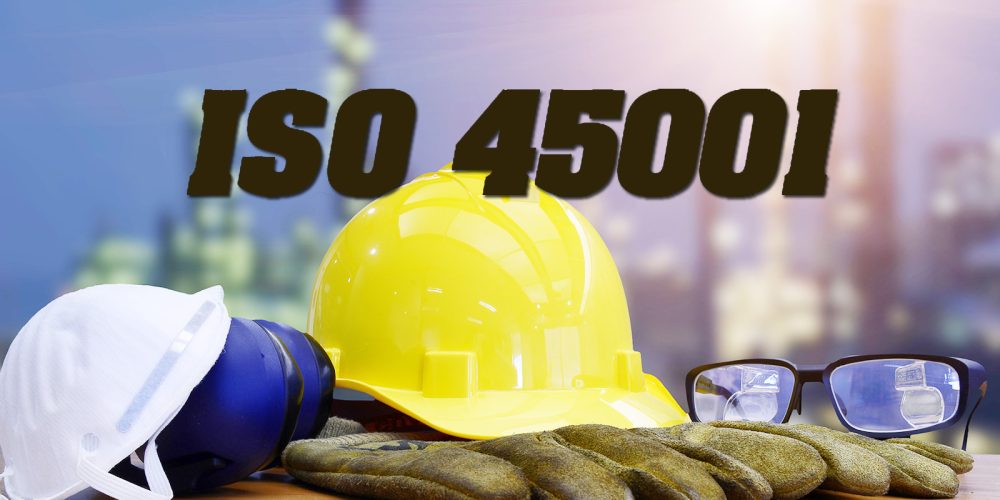
ISO 45001:2018 provides a framework for organizations to manage occupational health and safety through a structured Occupational Health and Safety Management System (OHSMS). It helps organizations identify hazards, manage OH&S risks and establish processes that support safer and healthier workplaces.
Organizations can use an OHSMS to take a systematic approach to occupational health and safety rather than responding to issues only after incidents occur.
For professionals who want to develop auditing skills related to an OHSMS, ISO 45001:2018 OHSMS Lead Auditor training provides an opportunity to develop knowledge and skills related to auditing an Occupational Health and Safety Management System.
ISO 45001:2018 is an international standard for Occupational Health and Safety Management Systems (OHSMS). It provides a framework that organizations can use to manage OH&S risks and opportunities, identify hazards, improve occupational health and safety performance and provide safer and healthier workplaces.
ISO 45001 can be implemented by organizations that want to manage occupational health and safety systematically and continually improve their OH&S management system.
What Is an Occupational Health and Safety Management System?
An Occupational Health and Safety Management System is a structured set of processes and practices that an organization uses to manage workplace health and safety.
Rather than treating occupational health and safety as a collection of separate activities, an OHSMS provides a systematic approach to identifying hazards, assessing risks and establishing appropriate controls.
An effective management system also helps organizations establish responsibilities, monitor performance and continually improve the way occupational health and safety is managed.
The objective is to create working conditions where occupational health and safety risks are appropriately identified and managed.
ISO 45001 provides organizations with a recognized framework for establishing, implementing, maintaining and improving this management system.
What Is the Purpose of ISO 45001?
The purpose of ISO 45001 is to provide organizations with a systematic approach to managing occupational health and safety.
Instead of focusing only on responding to workplace incidents after they occur, an OHSMS encourages organizations to identify hazards and consider OH&S risks as part of their management processes.
ISO 45001 can help an organization establish processes for occupational health and safety, clarify responsibilities and continually evaluate opportunities for improvement.
The standard provides a framework that can be integrated into the organization’s wider management practices while maintaining a clear focus on occupational health and safety.
Benefits of an Occupational Health and Safety Management System
Implementing an Occupational Health and Safety Management System can help an organization manage workplace health and safety in a more structured way.
1. Systematic Hazard Identification
An OHSMS provides a structured approach to identifying workplace hazards rather than relying only on corrective action after an incident occurs.
2. Management of OH&S Risks
Organizations can establish processes for assessing and managing occupational health and safety risks associated with their activities and working environment.
3. Clear Responsibilities
A structured management system can help clarify responsibilities and accountability for occupational health and safety across different levels of an organization.
4. Improved Safety Awareness
Implementing an OHSMS can support greater awareness of workplace health and safety responsibilities among workers and management.
5. Monitoring OH&S Performance
Organizations can establish processes for monitoring and evaluating their occupational health and safety performance and identifying areas that require attention.
6. Continual Improvement
ISO 45001 supports a systematic approach to continually improving an organization’s Occupational Health and Safety Management System and OH&S performance.
ISO 45001 Lead Auditor Training
Professionals who want to develop skills in auditing Occupational Health and Safety Management Systems can undertake ISO 45001 Lead Auditor training.
The training focuses on developing knowledge and skills needed to perform management system audits against ISO 45001.
This includes developing auditing skills associated with activities such as:
- Planning an OHSMS audit
- Conducting audit activities
- Collecting and evaluating audit evidence
- Identifying audit findings
- Reporting audit results
- Following up audit activities
Lead Auditor training can also help learners understand first-, second- and third-party management system auditing.
You can learn more about the ISO 45001:2018 OHSMS Lead Auditor training course.
It is important to distinguish successfully completing ISO 45001 Lead Auditor training from obtaining the IRCA Lead Auditor grade. Completing the relevant training does not, by itself, make someone an IRCA Certified Lead Auditor. Professionals pursuing the IRCA Lead Auditor grade must also satisfy the applicable IRCA requirements.
For a detailed explanation of this pathway, read How to Become an ISO 45001 Lead Auditor.
Why Choose 3FOLD Training?
3FOLD Training is a CQI IRCA Approved Training Partner offering ISO 45001:2018 OHSMS Lead Auditor training.
The training is designed to develop the knowledge and auditing skills required to perform first-, second- and third-party audits of an Occupational Health and Safety Management System against ISO 45001.
Training resources include learning materials and activities that support learners in understanding both the standard and the management system auditing process.
Professionals can review the ISO 45001:2018 OHSMS Lead Auditor course for more information about the training.
You can also check the course calendar for upcoming training options.
Conclusion
ISO 45001:2018 provides organizations with a structured framework for managing occupational health and safety.
An Occupational Health and Safety Management System helps organizations identify hazards, manage OH&S risks, establish responsibilities, monitor performance and continually improve their approach to workplace health and safety.
For professionals who want to move beyond understanding the standard and develop management system auditing skills, ISO 45001 Lead Auditor training provides a pathway to learn how OHSMS audits are planned, conducted, reported and followed up.
Frequently Asked Questions
1. What is ISO 45001:2018?
ISO 45001:2018 is an international standard for Occupational Health and Safety Management Systems. It provides a framework that organizations can use to manage occupational health and safety risks and opportunities and improve OH&S performance.
2. What does OHSMS mean in ISO 45001?
OHSMS stands for Occupational Health and Safety Management System. It refers to the structured processes an organization uses to manage occupational health and safety.
3. What is the purpose of ISO 45001:2018?
ISO 45001 provides a systematic framework for organizations to manage occupational health and safety, including identifying hazards, managing OH&S risks and continually improving OH&S performance.
4. Who can use ISO 45001?
ISO 45001 is intended for organizations that want to establish, implement, maintain and improve an Occupational Health and Safety Management System.
5. Is ISO 45001 certification for organizations or individuals?
ISO 45001 management system certification applies to organizations. Individuals can undertake ISO 45001-related training, such as an ISO 45001 Lead Auditor course, but this should not be confused with an organization’s ISO 45001 management system certification.
6. Does completing ISO 45001 Lead Auditor training make me an IRCA Certified Lead Auditor?
No. Successfully completing the relevant Lead Auditor training does not by itself make someone an IRCA Certified Lead Auditor. Additional applicable IRCA requirements must be satisfied for the relevant auditor grade.
You can read How to Become an ISO 45001 Lead Auditor for more information about the pathway.
7. Where can I learn ISO 45001 auditing?
Professionals who want to develop ISO 45001 auditing skills can review the ISO 45001:2018 OHSMS Lead Auditor training course and check the course calendar for upcoming training options.
Develop Your ISO 45001 Auditing Skills
Build your understanding of Occupational Health and Safety Management System auditing through structured ISO 45001 Lead Auditor training.