

Introduction:
ISO 14001 is an internationally recognized standard that designs the requirements for organizations that want to improve their environmental and operational performance. ISO 14001 standard helps organizations maintain quality service delivery in compliance with the ISO 14001 requirements. One of the benefits of the ISO 14001 Lead Auditor Training course is to equip participants with the knowledge and skills required to audit an organization against the ISO 14001 Standards. Through the ISO 14001 lead auditor course, you will learn the key terms, definitions, and necessity of the ISO 14001 standard. In our previous article, we discussed how to become ISO 14001 lead auditor. In this article, we will be highlighting the benefits of the ISO 14001 Lead Auditor Training Course. But first, let us take a look at what ISO 14001 Lead Auditor training is.Quick Answer
ISO 14001 Lead Auditor Training helps professionals understand ISO 14001 requirements and develop the practical skills needed to plan, conduct, report, and follow up Environmental Management System (EMS) audits. The training can improve auditing confidence, strengthen environmental management knowledge, and help organizations identify environmental risks, improve compliance, enhance operational controls, and support continual environmental improvement.What is ISO 14001 Lead Auditor Training Course?
The CQI IRCA certified ISO 14001 lead auditor training is a 40-hour training course aimed at equipping delegates with the skills needed to perform environmental system audits. After the completion of the training, you will write the final examination, which if successful a Certification of Achievement will be awarded to you.Benefits of the ISO 14001 Lead Auditor Training Course:
An ISO 14001 Environmental Management System (EMS) is a planned and documented process for improving the environmental performance of the organization. It contains strategic plans that need to be taken to improve the organizations’ actions on the environment. ISO 14001 Environmental Management System identifies an organization’s own goals and areas of improvement and follows the same structure of Plan_Do_ Check _ACT. Attending the CQI IRCA Certified ISO 14001 Lead Auditor training course will enable you to:-
- Design and carry out environmental audits in compliance with the guidelines for auditing management systems against ISO 14001, in accordance with ISO 19011 and ISO/IEC 17021.
- Evaluate an organization’s documents, and identify gaps to be improved upon.
- Build the required competence needed to lead an audit team in reviewing ISO 14001 management systems within an organization.
- Develop a comprehensive knowledge of the practical application of ISO 14001 Standard.
- Lead audits of the ISO 14001:2026 Environmental Management System standard.
- Apply for CQI IRCA Certified ISO Lead Auditor grade membership will open the gate for great opportunities.
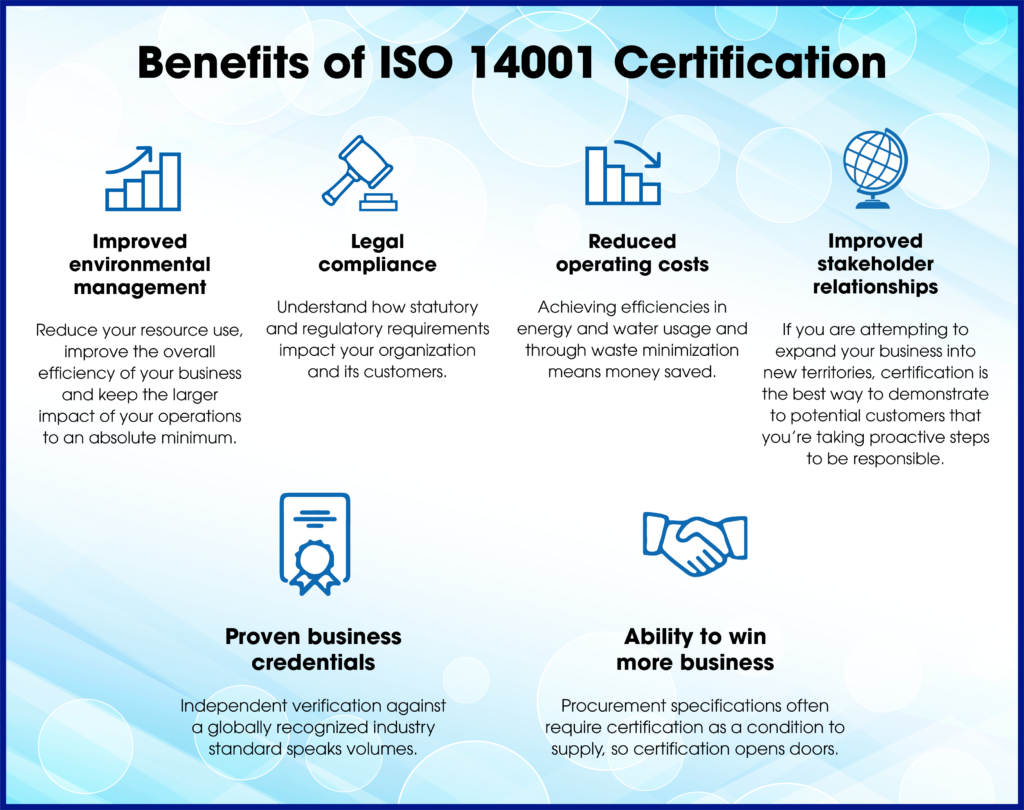
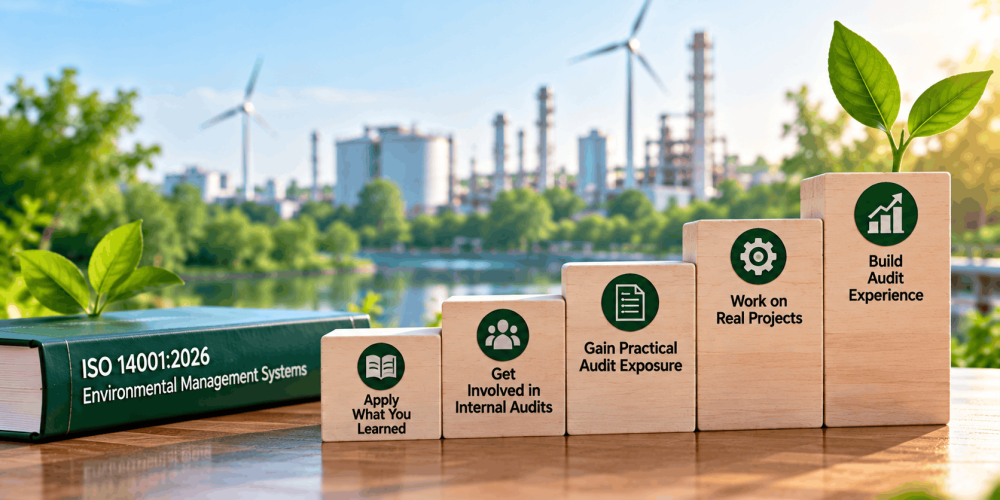
Figure 1: Benefits of the ISO 14001 Training
Why Organizations Need ISO 14001 Lead Auditors
An Environmental Management System (EMS) provides a framework for managing environmental responsibilities, but having documented procedures alone does not guarantee effective environmental performance. Organizations need competent auditors who can evaluate whether environmental controls are implemented correctly, legal obligations are being met, and the EMS is achieving its intended objectives.- They evaluate environmental aspects and impacts: Lead Auditors assess whether environmental aspects have been properly identified, significant impacts are evaluated, and appropriate controls are in place.
- They strengthen compliance oversight: Auditors review how the organization identifies, monitors, and complies with applicable environmental legislation and other compliance obligations.
- They verify operational controls: Lead Auditors determine whether controls for waste management, emissions, resource consumption, emergency preparedness, and pollution prevention are implemented effectively.
- They provide reliable information to management: Audit findings help leadership understand system weaknesses, prioritize corrective actions, and make informed environmental decisions.
- They support continual improvement: Effective audits identify recurring issues, ineffective controls, and opportunities to improve environmental performance and strengthen the Environmental Management System.
How the Training Prepares You for Environmental Audits
The value of ISO 14001 Lead Auditor Training extends beyond understanding the requirements of the standard. It prepares participants to apply ISO 14001 throughout the complete environmental audit process and conduct audits using a structured, evidence-based approach.- Plan the audit: Define the audit objectives, scope, criteria, methods, schedule, and audit team responsibilities before the audit begins.
- Review documented information: Examine environmental policies, aspect and impact registers, legal compliance records, objectives, operational procedures, and previous audit findings.
- Conduct interviews and site observations: Speak with employees, supervisors, contractors, and management while observing actual environmental practices and operational controls.
- Collect objective evidence: Use documents, records, interviews, observations, and sampling techniques to determine whether ISO 14001 requirements are effectively implemented.
- Evaluate conformity: Compare collected evidence with ISO 14001 requirements, legal obligations, and the organization’s own Environmental Management System.
- Report findings: Prepare clear, evidence-based audit findings, nonconformities, observations, and audit conclusions that support continual improvement.
- Follow up corrective actions: Verify whether corrective actions have effectively addressed the root cause and reduced the likelihood of recurring environmental issues.
Top Benefits of ISO 14001 Lead Auditor Training
1. Develop Professional EMS Auditing Skills
The training provides a structured approach to planning, conducting, and reporting Environmental Management System audits. Participants learn how to evaluate the effectiveness of an EMS using objective evidence rather than relying only on documents or checklists.2. Improve Environmental Aspect and Impact Evaluation
Participants learn how to assess whether an organization has properly identified environmental aspects, evaluated significant impacts, and implemented suitable operational controls. This helps organizations better manage environmental risks and improve environmental performance.3. Strengthen Your Understanding of ISO 14001 Requirements
The training explains how ISO 14001 requirements apply in real organizations. Participants develop a better understanding of environmental planning, operational control, compliance obligations, performance evaluation, management review, and continual improvement.4. Build Confidence in Leading Environmental Audits
Lead Auditors interact with employees, department heads, contractors, and senior management throughout an audit. Practical audit exercises help participants develop the confidence to conduct interviews, manage audit activities, and communicate findings professionally.5. Improve the Quality of Audit Findings
Effective audit findings are based on objective evidence and linked to specific ISO 14001 requirements. The training helps participants prepare clear, accurate findings that enable organizations to understand issues and implement meaningful corrective actions.6. Support Continual Environmental Improvement
Environmental audits should identify opportunities to strengthen the Environmental Management System rather than simply finding nonconformities. Lead Auditor Training helps participants recognize weaknesses, evaluate environmental controls, and support continual improvement initiatives.7. Expand Environmental and Auditing Career Opportunities
ISO 14001 Lead Auditor Training can strengthen professional competence for roles involving environmental management, internal auditing, supplier auditing, compliance, consulting, sustainability, and integrated management systems.8. Gain Skills That Apply Across Multiple Industries
Environmental Management Systems are used in manufacturing, construction, engineering, energy, logistics, healthcare, food production, chemicals, and many other industries. The auditing principles learned during the training can therefore be applied across a wide range of sectors.Challenges Organizations Face Without Trained EMS Auditors
Environmental knowledge and operational experience are valuable, but they do not always provide the structured approach required for effective Environmental Management System (EMS) audits. Without formal Lead Auditor Training, organizations may face several challenges that affect the quality and consistency of their audit process.- Relying too heavily on audit checklists: Audits may become checklist exercises instead of evaluating how effectively the EMS is implemented.
- Reviewing documents without verifying actual environmental practices: Procedures may appear compliant on paper while operational controls are not consistently followed.
- Failing to identify significant environmental aspects: Important environmental impacts may be overlooked, increasing operational and compliance risks.
- Writing findings without sufficient objective evidence: Audit conclusions may lack clear evidence, making corrective actions difficult to justify or implement.
- Confusing observations with nonconformities: Auditors may struggle to distinguish between opportunities for improvement and actual failures to meet ISO 14001 requirements.
- Evaluating compliance without considering environmental performance: Focusing only on documentation may prevent auditors from identifying weaknesses in environmental controls and objectives.
- Verifying corrective actions without assessing effectiveness: Corrective actions may be marked as complete without confirming that the underlying cause has been addressed.
Real Business Impact of ISO 14001 Lead Auditor Training
The greatest value of ISO 14001 Lead Auditor Training is seen when improved auditing competence leads to better environmental decisions, stronger operational controls, and continual improvement across the organization.- Environmental aspect management: Previously overlooked environmental aspects can be identified and managed before they result in environmental incidents.
- Compliance management: Weaknesses in legal compliance processes can be detected early, reducing the risk of regulatory nonconformities.
- Operational controls: Audits help verify that procedures for waste management, emissions, resource consumption, and pollution prevention are consistently implemented.
- Resource efficiency: Organizations may identify opportunities to reduce waste, improve energy efficiency, conserve water, and optimize the use of natural resources.
- Supplier and contractor management: Environmental expectations can be communicated more effectively and monitored consistently across suppliers and contractors.
- Corrective-action follow-up: Stronger verification processes help prevent recurring environmental issues by ensuring corrective actions effectively address root causes.
Practical Example
During an internal audit, a trained Lead Auditor may observe that waste segregation procedures are documented and waste records are maintained. Rather than relying solely on documentation, the auditor also inspects waste storage areas, interviews employees responsible for waste handling, and verifies whether operational controls are consistently followed. This broader assessment may reveal issues such as improper waste segregation, damaged storage containers, or inconsistent inspection practices that could otherwise go unnoticed. Identifying these weaknesses early allows the organization to improve environmental controls before they lead to compliance issues or environmental incidents.Is ISO 14001 Lead Auditor Training Worth It?
ISO 14001 Lead Auditor Training is particularly valuable for professionals whose current or future responsibilities involve environmental management, compliance, sustainability, internal auditing, supplier auditing, or Environmental Management System implementation. Its value extends beyond obtaining a certificate. The training develops the practical skills needed to evaluate an Environmental Management System objectively, communicate audit findings effectively, and support continual environmental improvement across an organization. The training may be suitable for you if you want to:- Move from environmental or HSE responsibilities into auditing.
- Lead or support ISO 14001 internal audits.
- Improve your ability to evaluate environmental controls.
- Strengthen your understanding of environmental compliance.
- Expand into sustainability or integrated management system roles.
- Build professional credibility in environmental management and auditing.
Learning Outcomes:
After completing the ISO 14001 Lead Auditor Training Course you will be able to:-
- Comprehend the ISO 14001:2026 requirements
- Review an organization’s status with relevance to ISO 14001.
- Explain the need for an environmental management system.
- Plan the ISO 14001 audit, conduct audit opening meetings, and closing meetings.
- Lead an audit team, and conduct first, second, and third party audits of the environmental management system.
- Explain the roles and responsibilities of an auditor in planning, conducting, and following up an EMS audit in accordance with ISO 19011 and ISO/IEC 17021.
- Prepare audit reports and present adequate recommendations.
Frequently Asked Questions
1. Is ISO 14001 Lead Auditor Training worth taking?
Yes. ISO 14001 Lead Auditor Training is valuable for professionals involved in environmental management, compliance, sustainability, HSE, and auditing. It helps you develop the practical skills required to plan, conduct, report, and follow up Environmental Management System (EMS) audits while strengthening your understanding of ISO 14001 requirements.
2. Who should attend this course?
The course is suitable for Environmental Managers, HSE Professionals, Internal Auditors, Compliance Officers, Sustainability Professionals, Consultants, Engineers, Operations Managers, and anyone responsible for implementing, maintaining, or auditing an Environmental Management System.
3. Do I need environmental experience before joining?
No. While a basic understanding of management systems is helpful, extensive environmental experience is not always required. Many participants come from quality, safety, engineering, manufacturing, operations, and maintenance backgrounds.
4. What practical skills will I learn?
The training helps you learn how to plan Environmental Management System audits, identify environmental aspects and impacts, evaluate compliance obligations, collect objective evidence, conduct interviews, prepare audit reports, report audit findings, and verify corrective actions.
5. I work in HSE. Will ISO 14001 Lead Auditor Training help my career?
Yes. If your role involves environmental compliance, sustainability, waste management, or integrated HSE responsibilities, ISO 14001 Lead Auditor Training can strengthen your auditing skills and broaden your understanding of Environmental Management Systems (EMS).
6. I don’t have an environmental background. Can I still join this course?
Yes. Many participants come from quality, safety, operations, maintenance, manufacturing, or engineering backgrounds. A basic understanding of management systems is helpful, but extensive environmental experience is not always required.
7. I’m already certified in ISO 45001. Should I also take ISO 14001 Lead Auditor Training?
If your responsibilities include both occupational health & safety and environmental management, learning ISO 14001 can help you audit Environmental Management Systems and expand your professional capabilities across multiple ISO standards.
8. How will this training help me during environmental audits?
The training helps you understand how to plan audits, identify environmental aspects and impacts, evaluate compliance, collect objective evidence, report findings, and verify corrective actions during EMS audits.
9. Which industries benefit most from ISO 14001 Lead Auditor Training?
The training is valuable across industries such as manufacturing, construction, oil & gas, energy, automotive, chemicals, pharmaceuticals, food processing, logistics, infrastructure, healthcare, and many other sectors that manage environmental aspects or compliance obligations.
10. Can ISO 14001 Lead Auditor Training help me move into sustainability or ESG-related roles?
Yes. While ESG and sustainability roles often require broader knowledge, understanding Environmental Management Systems and environmental auditing provides a strong foundation for professionals looking to expand into these areas.
11. Is ISO 14001 Lead Auditor Training useful if my company already has an Environmental Management System?
Yes. Even if an EMS is already implemented, trained Lead Auditors help verify its effectiveness, identify improvement opportunities, support continual improvement, and maintain compliance with ISO 14001 requirements.
12. How do I know if this training is the right choice for me?
If you’re responsible for environmental compliance, HSE management, internal audits, sustainability initiatives, or you’re planning to build a career in environmental auditing, ISO 14001 Lead Auditor Training can be a valuable addition to your professional development.